
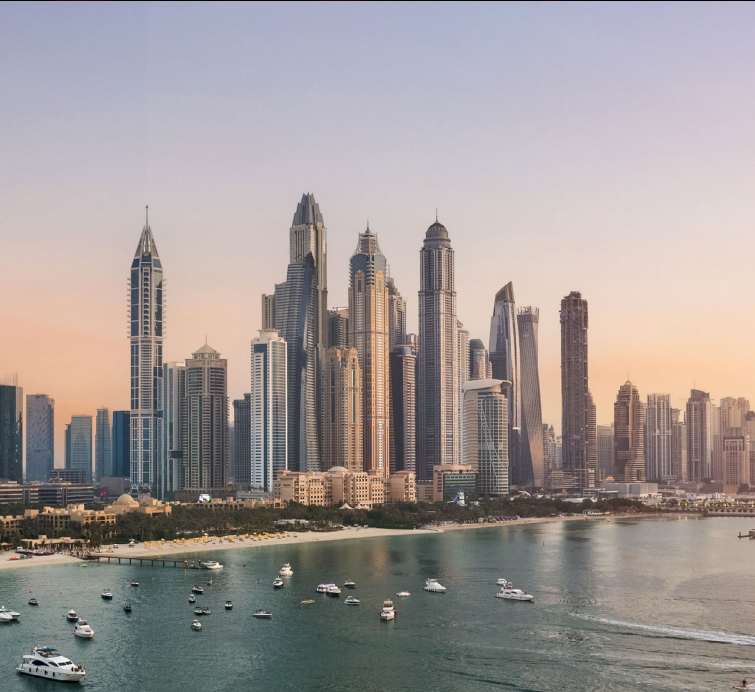
In 2025, the global property market is more dynamic than ever, and two cities that consistently attract investors’ attention are Dubai and Mumbai. Both are economic powerhouses of their regions, offering lucrative real estate opportunities. However, choosing between the two is not simply a matter of location—it requires a closer look at various factors like return on investment (ROI), regulatory environment, lifestyle offerings, infrastructure, and long-term growth prospects.
Let’s break down the key considerations that differentiate Dubai and Mumbai to help investors make an informed decision in 2025.
1. Market Accessibility and Ownership Rights
Dubai:
One of Dubai’s most attractive features is its openness to foreign investors. The city offers 100% foreign ownership in designated freehold areas. The process is relatively smooth, transparent, and supported by a well-regulated legal system. With the government’s investor-friendly policies, buying property in Dubai is hassle-free, making it ideal for global investors.
Mumbai:
India has also liberalized its real estate sector to welcome foreign investors, but the process can be more complex. There are several legal layers, registration norms, and tax obligations that foreign nationals must navigate. Moreover, only certain classes of non-resident Indians (NRIs) and Persons of Indian Origin (PIOs) can invest without restrictions. For locals, property ownership is easier, but bureaucracy still slows things down compared to Dubai.
2. Return on Investment (ROI)
Dubai:
Dubai’s real estate market has seen a significant rebound post-pandemic, and 2025 continues this trend. Luxury apartments, villas, and commercial spaces in areas like Dubai Marina, Downtown Dubai, and Jumeirah Village Circle offer rental yields between 5% to 8%, depending on location and type. With zero property taxes and no capital gains tax, the net ROI is attractive for both short-term and long-term investors.
Mumbai:
Mumbai’s property market is stable but comparatively saturated in key areas like South Mumbai, Bandra, and Powai. Rental yields generally range between 2% to 4%, which is lower than Dubai. However, long-term capital appreciation in specific micro-markets like Thane, Navi Mumbai, and Chembur remains promising due to infrastructure upgrades. For Indian investors focused on generational wealth and asset security, Mumbai holds sentimental and strategic value.
3. Affordability and Entry Cost
Dubai:
Dubai offers a wide range of properties, with entry-level apartments in emerging areas starting from AED 500,000 (~INR 1.2 crore). Compared to other global cities, Dubai offers relatively affordable luxury and modern living standards. Additionally, flexible payment plans and off-plan project schemes make it easier to invest without a huge upfront capital requirement.
Mumbai:
Mumbai is among the most expensive cities in India. Property prices in prime areas can exceed INR 60,000 to 80000 per square feet, making initial investment significantly higher. While newer developments in the outskirts are more affordable, they may lack immediate connectivity or amenities. Stamp duties, registration fees, and maintenance costs also add to the total investment burden.
4. Infrastructure and Lifestyle
Dubai:
Dubai is known for its futuristic infrastructure, smart city initiatives, and luxurious lifestyle. From the world’s tallest buildings to state-of-the-art transport systems, Dubai ranks high in quality of life and urban innovation. The city offers tax-free income, world-class healthcare, international schools, and vibrant leisure hubs, making it attractive for investors looking to relocate or rent to expatriates.
Mumbai:
Mumbai is India’s financial and entertainment capital, offering unmatched energy and cultural depth. However, the city grapples with infrastructure bottlenecks, overpopulation, and congestion. That said, government-led infrastructure projects like the Mumbai Trans Harbour Link, metro rail expansion, and Navi Mumbai Airport are poised to transform its real estate landscape in the coming years.
5. Regulatory Environment and Taxation
Dubai:
Dubai has streamlined real estate regulations through the Dubai Land Department (DLD) and RERA (Real Estate Regulatory Agency), making transactions transparent and efficient. There’s no property tax, income tax, or capital gains tax, making Dubai an investor’s paradise in terms of post-investment profits.
Mumbai:
India has made strides in improving transparency with the implementation of RERA, ensuring better project delivery timelines and accountability. However, property taxation—including stamp duty, GST on under-construction projects, capital gains tax, and annual property tax—does reduce net returns for investors.
6. Market Trends and Future Outlook
Dubai:
In 2025, Dubai continues to ride a wave of growth fueled by digital nomad visas, Golden Visa programs, and Expo legacy projects. The rise of smart homes, eco-friendly buildings, and foreign inflows from Europe and Asia keep Dubai at the forefront of global real estate.
Mumbai:
Mumbai’s growth story is tied closely to India’s booming economy and urbanization. With increased migration to metro cities and government focus on affordable housing, Mumbai will remain a top destination for end-users and long-term investors. However, returns may be slower compared to Dubai’s aggressive appreciation curves.
Conclusion: Which One Should You Choose?
- Choose Dubai if you’re looking for high rental yields, zero taxation, easy international ownership, and world-class lifestyle benefits. It’s ideal for short- to medium-term ROI and those looking to diversify portfolios globally.
- Choose Mumbai if you’re focused on long-term capital appreciation, emotional ties to India, or generational wealth building in a resilient but slower market. It suits local investors, NRIs, or those planning to live in India.
Both Dubai and Mumbai have unique strengths in 2025. The best choice depends on your investment goals, risk appetite, and lifestyle preferences. Whether you’re drawn to the glittering skyline of Dubai or the vibrant hustle of Mumbai, real estate remains a powerful asset in your wealth-building strategy.